
If the word loan makes you feel like you’re supposed to understand it already—but you’re not totally sure you do—you’re not alone. For many Gen Zers and younger millennials, loans show up early and often: cars, school, moving costs, emergencies, or just trying to build credit for the first time.
The good news? Loans don’t have to be confusing or intimidating. When you understand how they work—and choose the right lender—borrowing can be a useful financial tool instead of a long-term headache.
What Is a Loan, Really?
A loan is simply money you borrow and pay back over time, usually with interest. The main parts of a loan include the principal (what you borrow), interest (the cost of borrowing), the loan term (how long you repay), and your monthly payment (how much you must repay each month).
A longer loan term can lower your monthly payment, but it usually means paying more interest over time. That’s why it’s important to look at the total cost of a loan—not just the monthly number.
Why Your Credit Matters When You Borrow
Your credit score and credit history help lenders decide whether to approve your loan, what interest rate you’ll receive, and how flexible your terms can be.
Credit isn’t about being perfect—it’s about consistency. Paying bills on time and borrowing responsibly over time helps build a strong financial foundation.
Looking to build your understanding of what a credit score is and how it works? We’ve got you covered:
- Getting started with your credit score
- Credit myths: The truth about what builds your credit and what doesn't
Common Types of Loans (and When They Make Sense)
Auto Loans: Typically used to purchase new or used vehicles and often come with competitive rates. These loans have a fixed payment amount and term. Auto loans are secured because your car serves as collateral for the borrowed funds.
Personal Loans: Flexible loans that can be used for emergencies, education costs, or other planned expenses. These loans have a fixed payment amount and term. Personal loans are considered an unsecured loan, since there is no collateral securing them.
Credit-Building Options: Secured loans or credit cards designed to help establish or rebuild credit. You can choose between fixed payment plans with set terms, or open-ended arrangements where your monthly payment is determined by your current balance.
Home Equity Loans or HELOCs: Best suited for homeowners with longer-term financial goals. Home Equity Loans have fixed payments and terms, while HELOCS (Home Equity Line of Credit) have monthly payments which change depending on the balance.
Credit Cards: Technically, credit cards aren’t a traditional loan—but they’re still a way to borrow money. A credit card gives you a revolving line of credit (meaning you can borrow, pay it down, and borrow again up to your limit). If you pay your statement balance in full each month, you can usually avoid interest. If you carry a balance, you’ll typically pay interest, which can make purchases cost a lot more over time.
Loans vs. Buy Now, Pay Later (BNPL)
Buy Now, Pay Later (BNPL) options can seem convenient, but many do not consistently help build credit. BNPL options are essentially short-term loans, but most do not appear on your credit report. This means they do not help build your credit score and cannot be used by lenders as proof of credit worthiness. That said, missed payments can still end up in collections and may damage your credit score.
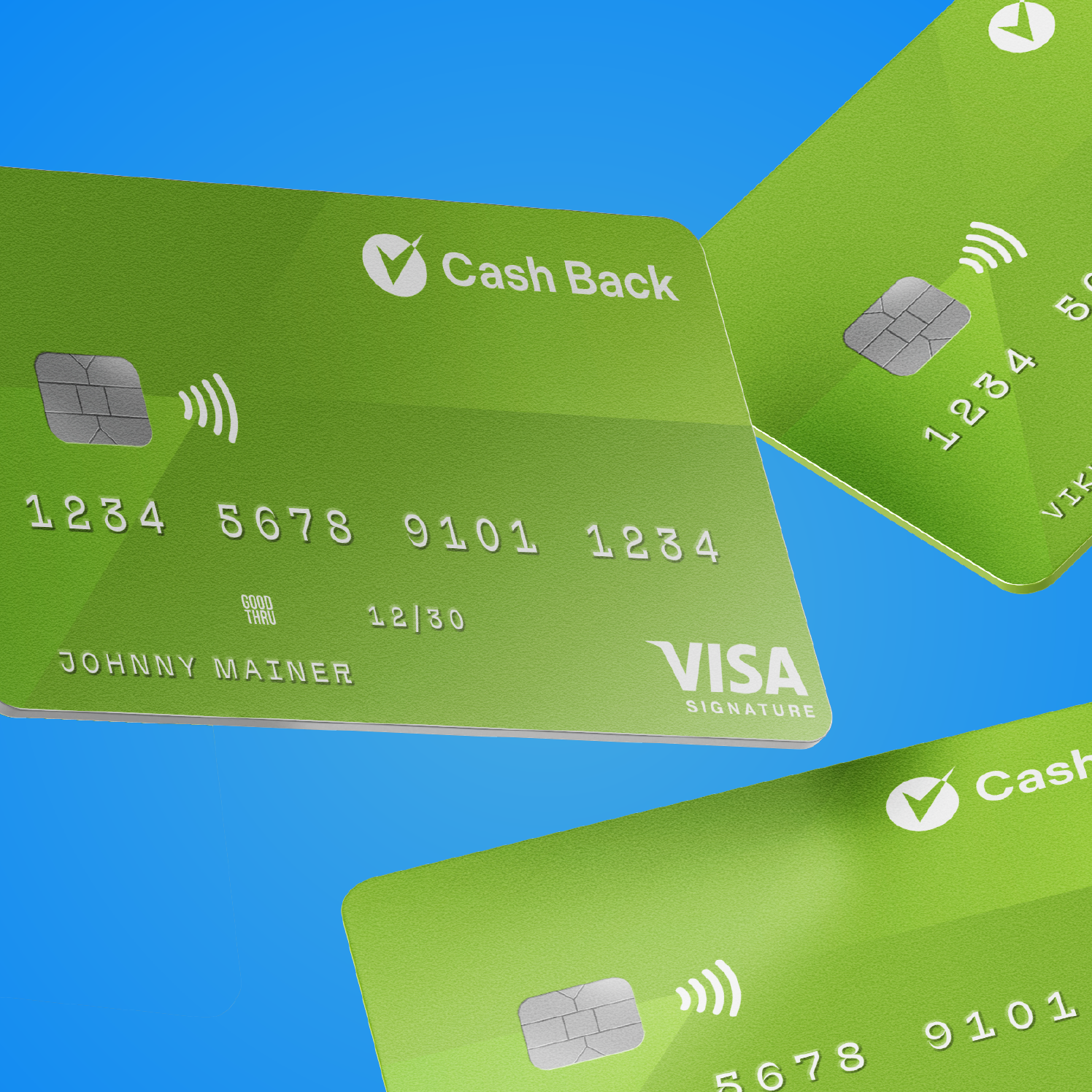
BNPL loans can also pile up quickly, especially when multiple plans are used at the same time. It’s easy to make an impulsive purchase decision when you use BNPL, so it’s a good idea to take a cool off period before you buy. Make sure you know your overall debt-load to make sure you can afford the payments. A better option is to use a TruChoice credit card for the purchase – not only can you still pay it off over time, but you’ll also have additional benefits like fraud protection and local servicing.
Be Careful with Debt Consolidation and Debt Relief Companies
Some companies advertising debt consolidation are actually debt settlement or debt relief companies. These can charge high fees, encourage missed payments, and negatively impact your credit.
Safer alternatives include nonprofit credit counseling or a legitimate consolidation loan through a trusted lender like TruChoice. If you find yourself overwhelmed by debt, reach out to us for options! You can also find more tips on debt management here.
Smart Borrowing Tips
- Know what monthly payment fits comfortably in your budget.
- Borrow only what you need, not the maximum offered.
- Ask questions and understand the full cost of the loan.
- Choose options that support your long-term financial goals.
Why Choose a Local Credit Union?
Credit unions are member-owned and community-focused. We prioritize relationships, transparency, and financial education over profit.
At TruChoice FCU, members have access to local guidance, helpful tools like loan calculators, and support throughout the borrowing process.
Final Takeaway
Loans are tools. Used thoughtfully and paired with the right lender, they can help you move forward financially. TruChoice FCU is here to help members borrow smarter and build confidence along the way. Want to learn more? Contact us today!