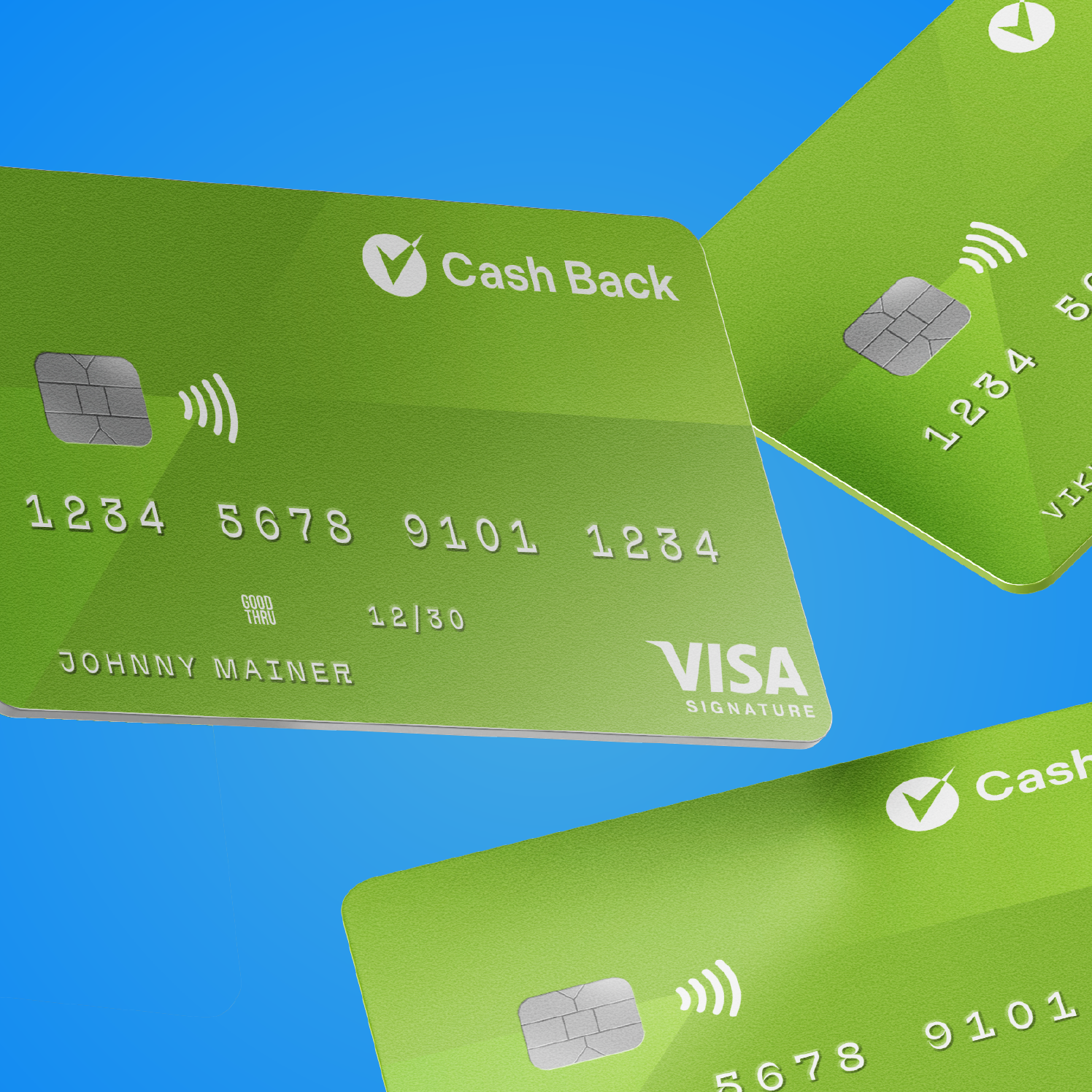

The holidays are such a special time here in Maine. Whether you're cozying up by the fire, hitting the slopes, or finding the perfect gifts for your loved ones, the season is all about connection, warmth, and good cheer.
Unfortunately, during this busy time, scammers also ramp up their efforts to take advantage of our generosity and distracted minds. That's why we’re here to share some vital tips to help you keep your hard-earned money and personal information safe and secure this season.
Think of us as your financial winter watch—we’re here to help you enjoy a scam-free holiday!
Shop Smart and Sniff Out Phony Deals
Online shopping is a lifesaver, especially when you’re short on time or looking for a good deal! But the digital world is where many scams begin.
Check the URL: Before entering any payment information, always look for the "https://" at the beginning of the website address and the padlock icon in your browser bar. If you don't see them, shop elsewhere.
Be Skeptical of "Too Good to Be True": If a deal seems ridiculously generous, especially on social media, it probably is. Scammers often use low prices to lure you into non-delivery scams (where you pay but never receive the item). Always research unfamiliar retailers and check reviews.
Avoid Suspicious Links: Did you get an email or text about a "problem" with your order or delivery, or an urgent password update request? Don't click the link! These are often phishing attempts to steal your information. Instead, open a new browser window and type the company’s official website address directly, or use their trusted app.
Protect Your Payments and Cards
The single best defense against holiday fraud is knowing how to pay safely.
Choose Credit Over Debit: For online purchases, always use a credit card. Credit cards typically offer stronger consumer protection, and if fraud occurs, the scammer cannot access the funds directly from your checking account.
Enable Transaction Alerts: This is a great time to set up real-time text or email alerts for your accounts. Simply go to our E-Alerts feature in online banking or our mobile app. This lets you spot unusual charges—even small "test" charges that criminals use—and freeze your card immediately.
Say NO to Gift Cards, Wire Transfers, or Crypto: If a seller or anyone demanding money asks you to pay using a wire transfer, a pre-paid gift card (like an Apple or Google Play card), or cryptocurrency, stop immediately. These payment methods are untraceable and are a major red flag for non-payment scams and auction fraud.
Guard Your Packages and Mail
The holiday shipping rush creates opportunities for porch pirates and package phishing scams.
Track Your Delivery: Whenever possible, use tracking numbers and consider adjusting your delivery instructions to ensure packages don't sit on your doorstep all day. Deliver to your workplace or a trusted neighbor if you won't be home.
Beware of Shipping Phishing: Scammers send fake delivery notifications pretending to be FedEx, UPS, or USPS. Remember, these companies typically won't ask for personal information via email or text. If you get a suspicious delivery alert, go directly to the shipper's official website to track the package—don’t click a link in the email/text!
Secure Your Connections: Avoid making purchases or entering sensitive data while using public Wi-Fi networks (like at a coffee shop). Wait until you are on a secure, password-protected network.
Give Generously, But Wisely
We know Mainers have big hearts, but scammers often create fake charities that sound like reputable organizations.
Verify Before You Donate: Before you give, verify the charity's legitimacy using trusted websites like Charity Navigator.
Watch for High-Pressure Tactics: Legitimate charities won't pressure you for an immediate donation or request gift cards, wire transfers, or cryptocurrency. Be wary of organizations with names very similar to well-known charities—check the name carefully!
Recognize Imposter Scams
The holidays can be a time of emotional stress, which scammers exploit with imposter scams.
Grandparent Scams: These con-artists call claiming to be a family member (or law enforcement holding them) who is in desperate trouble and needs money wired immediately. Always verify the story by calling the family member in question or another relative using a number you know is correct.
Law Enforcement Threats: If you get a call from someone claiming to be local police or the sheriff's office and they threaten you with arrest or a fine (for missed jury duty, etc.) unless you pay them immediately, hang up. Real law enforcement will never call you to demand money over the phone.
What to do if you suspect fraud:
Quick action is the best defense!
Call Us Immediately: If you notice a suspicious charge on your debit or credit card, call your local credit union right away. We can freeze your card and start an investigation. You can also put a temporary freeze on your card or report it lost or stolen right in online banking or our mobile app, so even after hours, your accounts are protected.
Report the Incident: You should also report holiday scams to the FBI's Internet Crime Complaint Center (IC3).
Secure Your Accounts: Change passwords and enable multi-factor authentication (MFA) on all your banking and payment accounts.
From all of us at TruChoice, we wish you and yours a safe, happy, and fraud-free holiday season! And remember – we’re always here if you have questions.